While the prospect of longer summer evenings sounds like a dream for golfers and social butterflies, experts warn that locking in permanent daylight saving time could lead to a systemic public health crisis. Former President Donald Trump has pushed for the U.S. Senate to abandon the biannual clock shuffle in favor of permanent daylight saving time, arguing it would boost recreation and commerce. However, recent findings published in the Canadian Medical Association Journal suggest that prioritizing evening light comes at a steep cost to our biological needs.
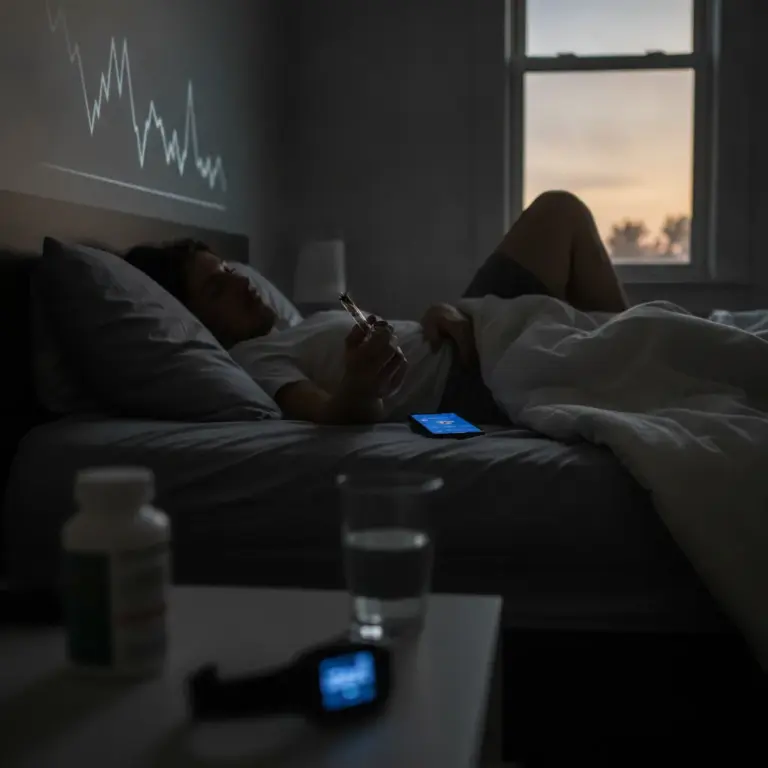
The core of the issue lies in our internal circuitry. Humans operate on a circadian rhythm that naturally runs slightly longer than twenty four hours, meaning we rely on early morning sunlight to reset our bodies and wake us up efficiently. When we push sunrise later into the morning through permanent daylight saving time, we clash with our own biology. Researchers point out that while evening light feels pleasant, it actually delays our sleep cycle, making it harder to fall asleep and leaving us exhausted upon waking.
These disruptions aren’t just about feeling groggy; they have measurable impacts on success and wealth. By analyzing different regions within existing time zones, researchers discovered that people living in areas where the sun sets later often lose about an hour of sleep per week. Shockingly, studies estimate that gaining back that lost hour of sleep is linked to roughly five percent higher long term earnings. The academic toll is equally concerning, as data from Florida shows that students with more sunlight before school perform significantly better in math and reading tests.
History suggests that this appetite for eternal evening light usually ends in failure. Both Russia and Chile attempted similar shifts only to reverse them after facing widespread public dissatisfaction and safety concerns regarding dark winter mornings. Even the United States tried this experiment during World War II and again in 1973, both times retreating when citizens realized how jarring it felt to navigate the world in total darkness during winter dawns. While politicians continue to debate the merits of a permanent shift, science suggests we might be better off enduring two uncomfortable weekends a year than sacrificing our long term health and productivity.