For years, the gold standard for success among young South Koreans was the miracle morning, a rigorous lifestyle choice involving pre dawn wake ups dedicated to study and fitness. But the cultural pendulum is swinging toward a different kind of optimization called sleep maxxing. This emerging trend shifts the focus from squeezing every single second out of the daylight hours to meticulously engineering the perfect night of rest. It is less about adding hours to the clock and more about treating sleep as a high performance activity that requires its own set of tools and tactics.
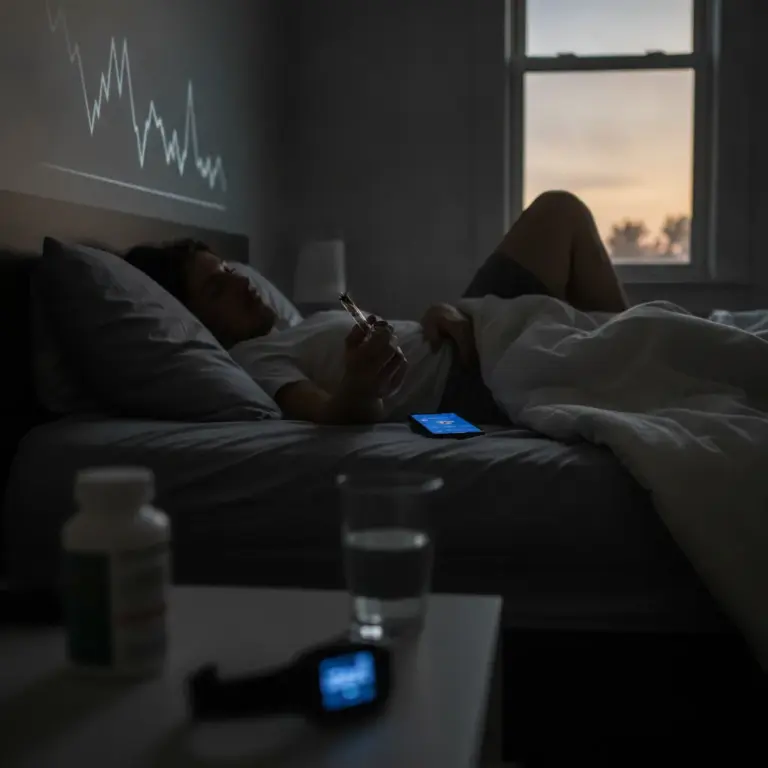
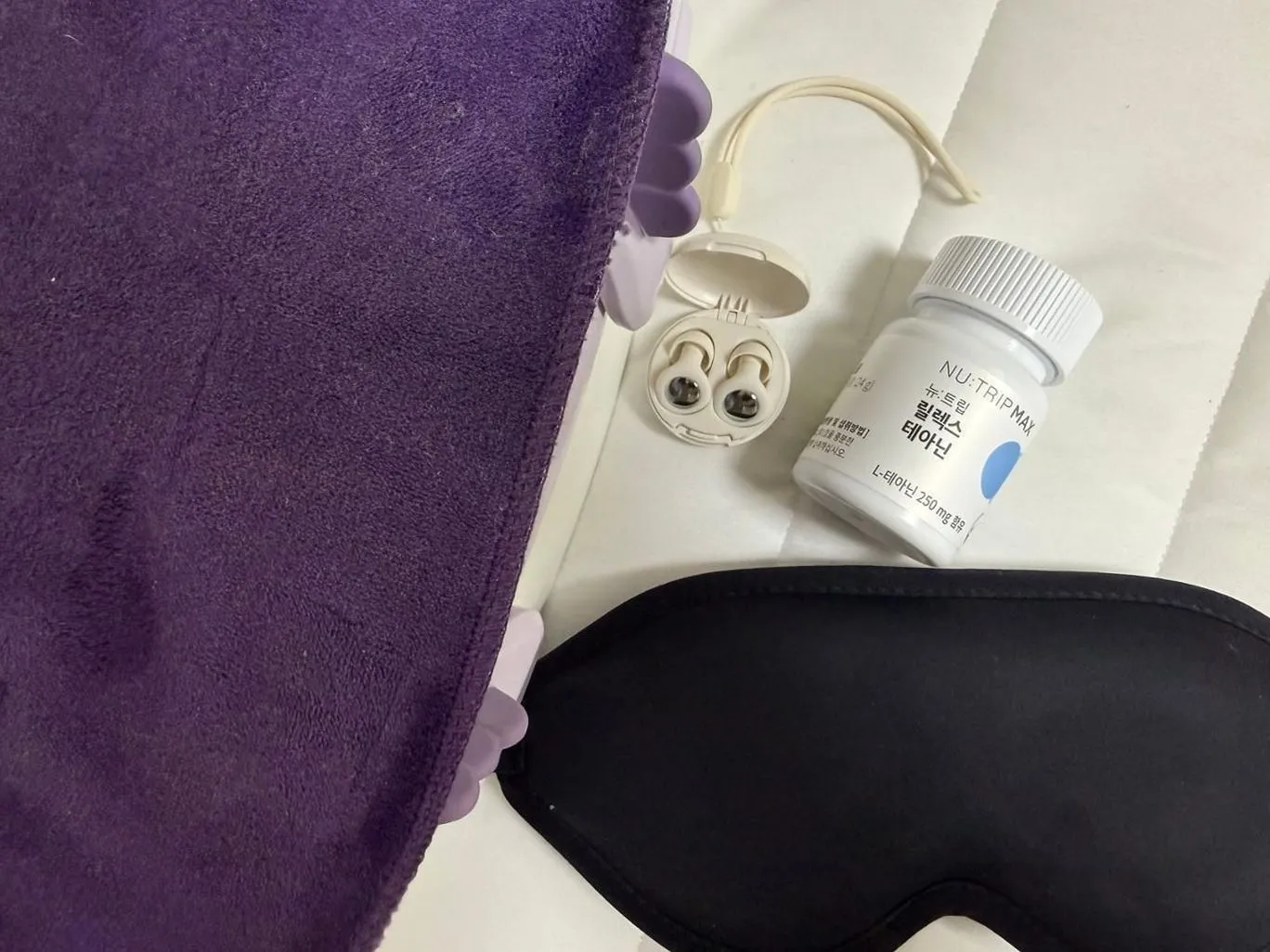
Take Kang, a thirty year old office worker who treats his bedroom like a laboratory for recovery. His nighttime arsenal includes specialized earplugs, a sleep mask, and theanine supplements, all monitored by a smartwatch that analyzes his deep sleep cycles. For professionals like Kang and Jung Hye won, an IT employee who utilizes steam masks and aromatic fragrances to signal her brain to shut down, these routines are survival mechanisms. In a society where work demands are relentless, managing the few hours available for slumber has become the only variable they can truly control.
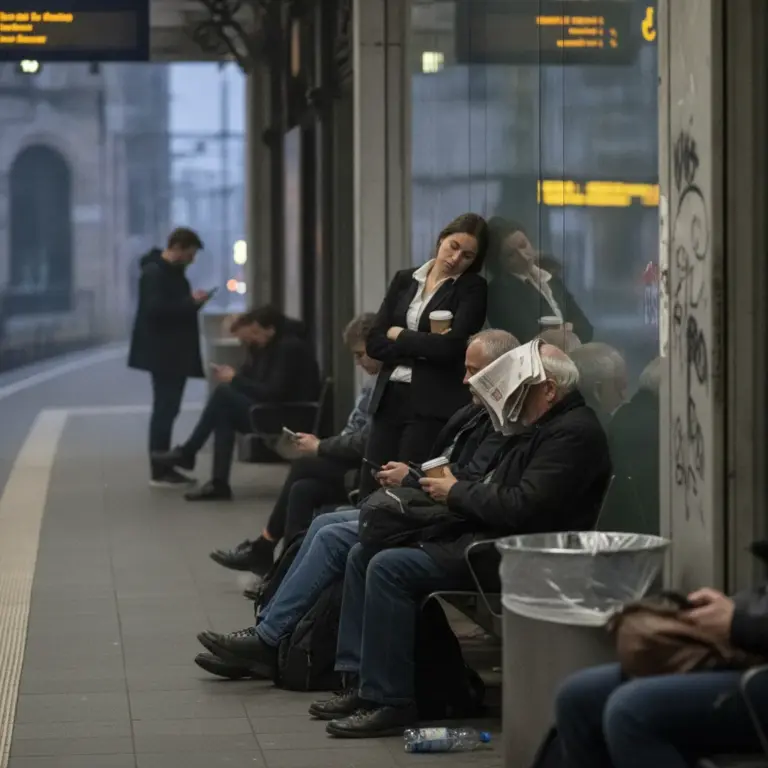
This obsession with efficiency extends beyond simple comfort into data driven analysis. Some practitioners track their sleep scores with the same intensity others might track their stock portfolios or gym gains, cutting out caffeine or altering room temperatures just to see a numerical improvement on their wristwatches. However, this drive for perfection reveals a deeper systemic issue. With nearly a third of young adults reporting burnout and sleep disorder treatments on the rise, the push for better rest is often a response to chronic exhaustion rather than a casual hobby.
Yet there is a lingering irony in transforming rest into another chore. Experts warn that when we turn sleep into a metric to be maximized, it creates an anxiety loop known as orthosomnia, where the fear of achieving a bad sleep score actually keeps people awake. Professor Joo Eun yeon suggests that applying competitive pressures to our subconscious may backfire by keeping the mind too alert to drift off. By attempting to hack their way to tranquility, many young Koreans find themselves working harder than ever just to finally close their eyes.